

Beyond the Checkbox
If you are specifying a diesel generator for a project in Singapore, emission compliance isn’t optional — it is a legal requirement. But knowing what these standards actually mean helps you make a better equipment decision, not just tick a regulatory box.
Here is what it comes down to, and what it means if you are looking at Denyo’s DCA-LS Series Generators.
What Are Emission Standards?
Emission standards limit how much pollution a diesel engine can release — mainly nitrogen oxides (NOx) and particulate matter (PM). They are set by regulatory bodies in the US, the EU, and Japan, and they have tightened progressively over the past two decades as engine technology has improved. Each region uses its own naming convention — the US and Japan generally use “Tier,” the EU uses “Stage” — and the standards have gotten stricter with each new stage or tier.
What Singapore Actually Requires
Since 1 July 2012, every new off-road diesel engine used in Singapore — generators included — must meet one of three accepted standards:
- US EPA Tier 2
- EU Stage II
- Japan Tier I (MOT)
Meet any one of these, and your generator is legally compliant. This applies to both new and rebuilt engines.
Where Denyo's DCA-LS Series Fits
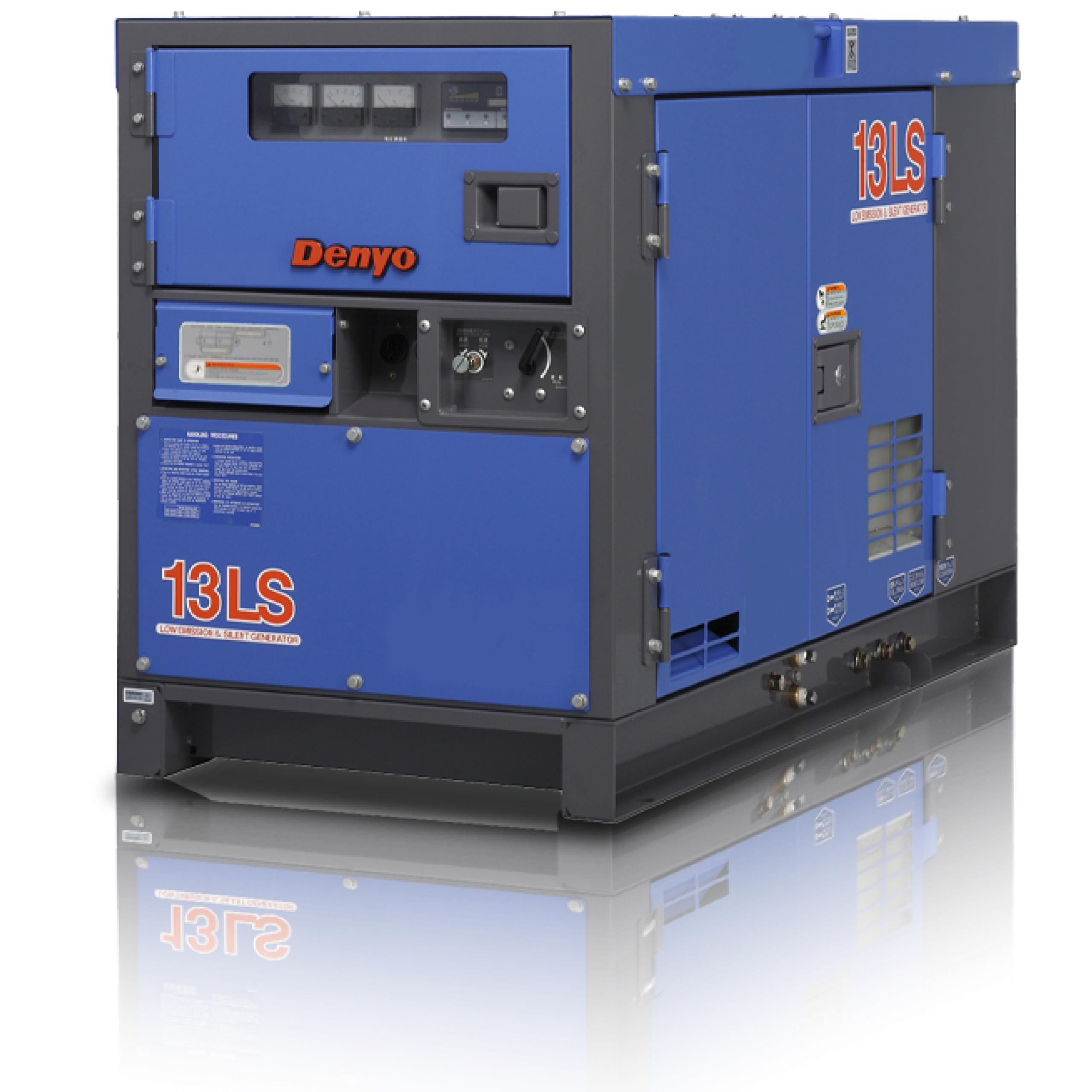
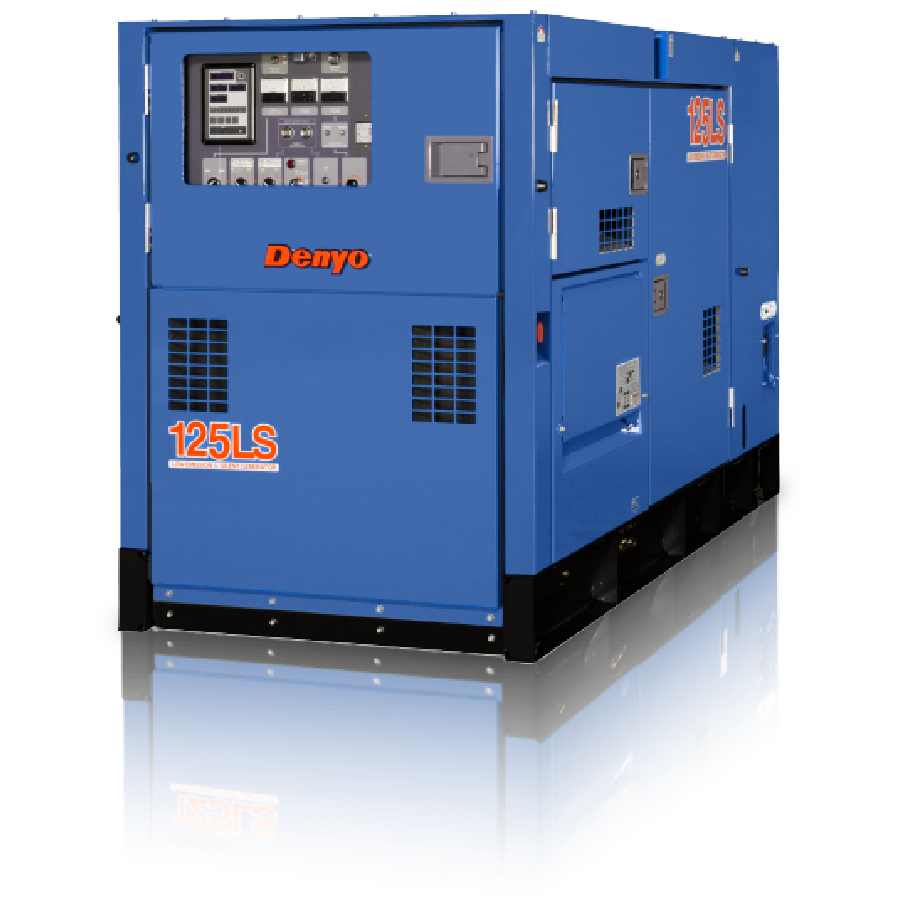
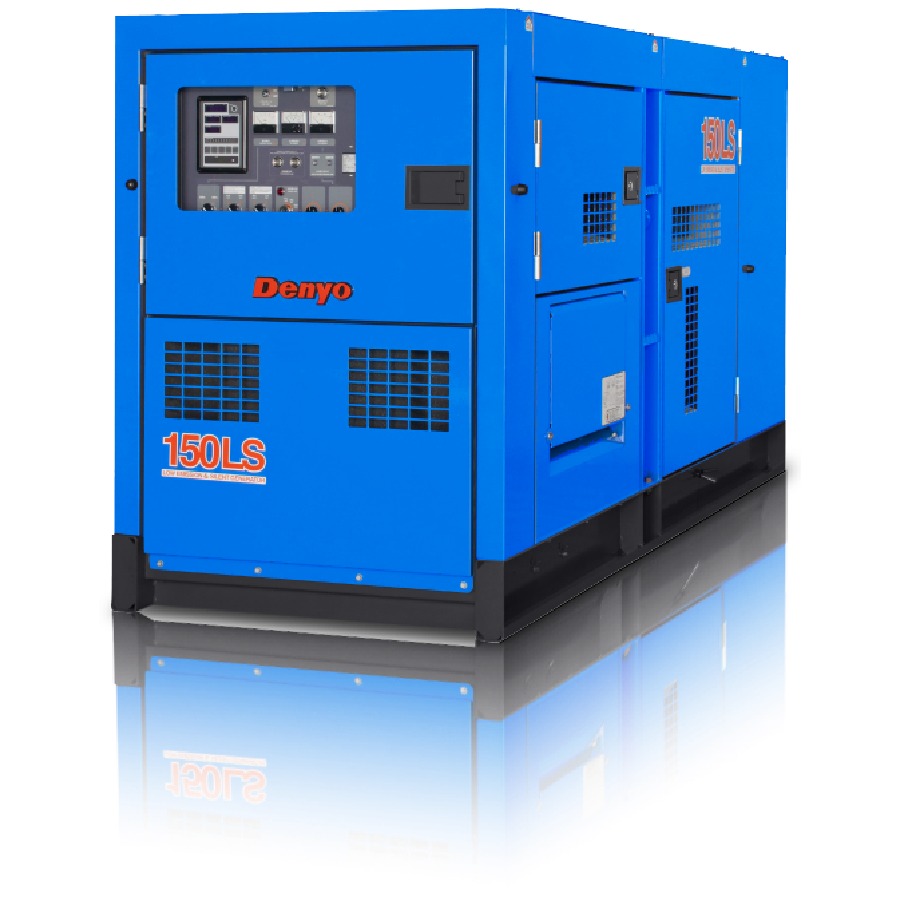
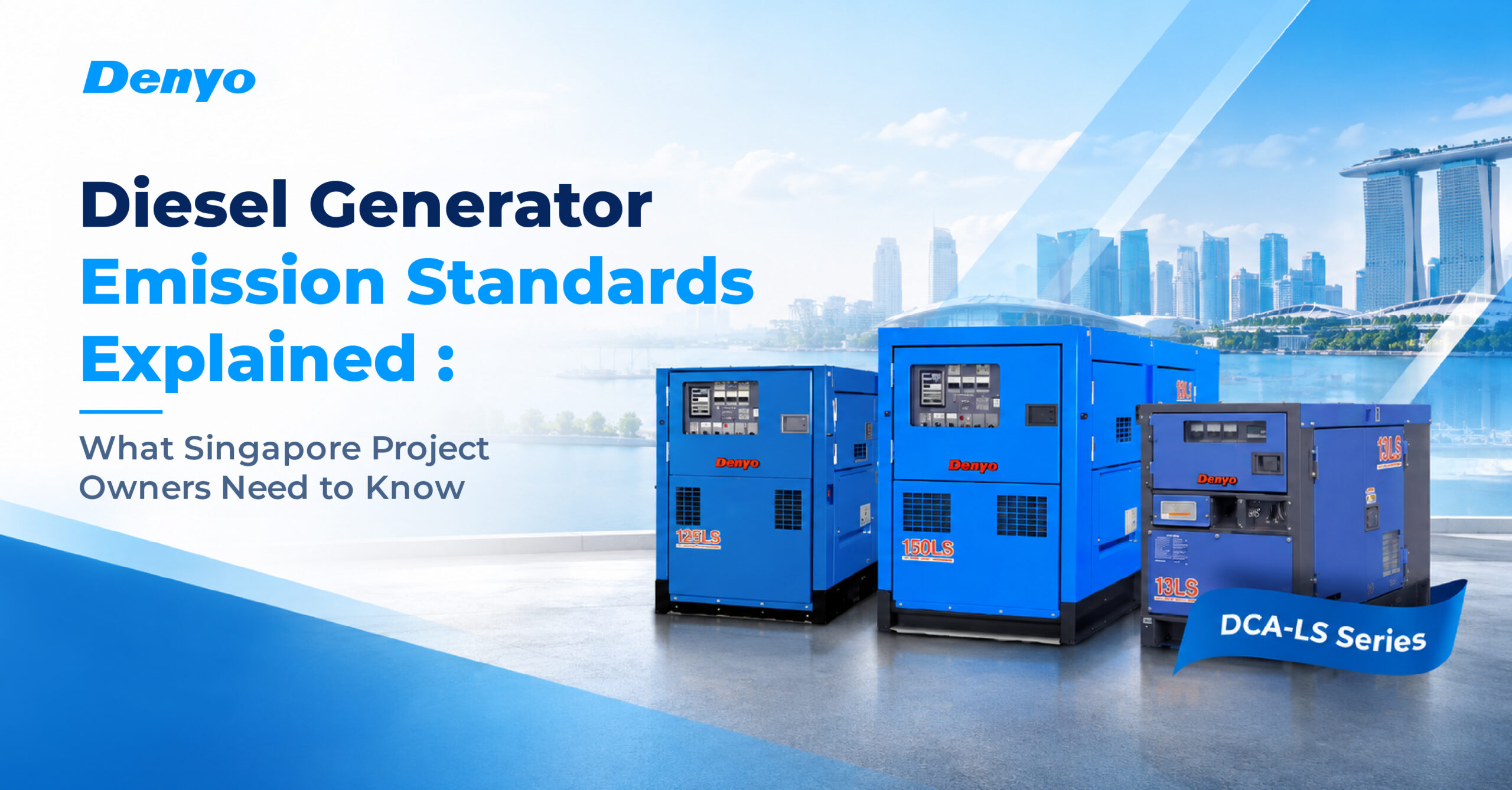
Denyo’s soundproof generators come under the DCA Series, with different model suffixes marking different configurations. The LS designation — as in DCA-13LSK, DCA-125LSI, DCA-150LSK — identifies models built around an engine compliant with Stage III of Japan’s exhaust gas regulations, jointly set by the Ministry of the Environment (MOE) and the Ministry of Land, Infrastructure and Transport (MLIT). These standards were introduced in 2005–2006 and phased in between October 2006 and September 2008, replacing the older Tier I (MOT) rules that Singapore’s NEA references as its minimum. In plain terms, Stage III sets tougher limits on NOx and PM than what Singapore requires as a baseline.
That gives project owners a real margin of comfort — useful if you are working on a site with stricter environmental expectations, or if you would rather not worry about re-specifying equipment if local standards tighten down the road.
Worth noting: Japan’s Stage III (sometimes also labelled “Tier 3” on spec sheets) is its own regulation, separate from US EPA Tier 3 and EU Stage IIIA/IIIB. They are built around similar goals — reducing NOx and particulate emissions from non-road diesel engines — but the actual emission limits, test methods, and certification requirements differ between them. So while Japan’s Stage III comfortably clears Singapore’s Japan Tier I (MOT) benchmark, it shouldn’t be read as identical to a US or EU Tier 3 rating.
Why Stage III Is a Sweet Spot, Not Just a Compliance Checkbox
Here is the part that matters beyond paperwork: how an engine hits its emission target changes what it is like to actually own and run.
Japan’s Stage III standard is met through improved engine design and fuel injection alone — it doesn’t require exhaust aftertreatment devices such as particulate filters or NOx reduction catalysts. That is not just a marketing claim; it is built into the regulation itself. In practice, that means:
- Simpler maintenance — fewer parts to service, fewer things to go wrong
- No DEF (diesel exhaust fluid) top-ups
- No filter regeneration cycles to manage
- Proven reliability in tough conditions — construction sites, remote locations, standby power
Engines built to meet the newest emission tier (Tier 4 / Stage IV) achieve their numbers differently — by adding exhaust after-treatment systems (particulate filters, catalytic reduction). Those systems cut emissions further, but they also add complexity, extra maintenance, and sensitivity to fuel quality. Water, dirt, or poor-quality diesel can damage the high-pressure components faster.
For many project environments in Singapore, Stage III hits the sweet spot: well ahead of the compliance minimum and without the extra operational overhead of Tier 4 / Stage IV aftertreatment.
Beyond Compliance: Picking the Right Generator
Emission compliance is the starting point, not the whole decision. The right generator for your project also depends on your load requirements, operating environment, maintenance support, and how long you will need it running.
Denyo’s DCA-LS Series generator is built for heavy-duty, everyday use — quiet operation, straightforward maintenance, and a proven track record on construction sites, in hospitals, and in mining operations. Its Stage III engine delivers clean, efficient power without the added upkeep that comes with aftertreatment systems.
Talk to Denyo United Machinery
As an authorised Denyo distributor in Singapore, we help project owners select the right generator, verify NEA compliance, and keep their fleet running. Whether you are specifying equipment for a new project or reviewing what you already have, our team can help you find the right fit. If you have any further questions, please don’t hesitate to contact us. Thank you.