


Automatic Power Changeover
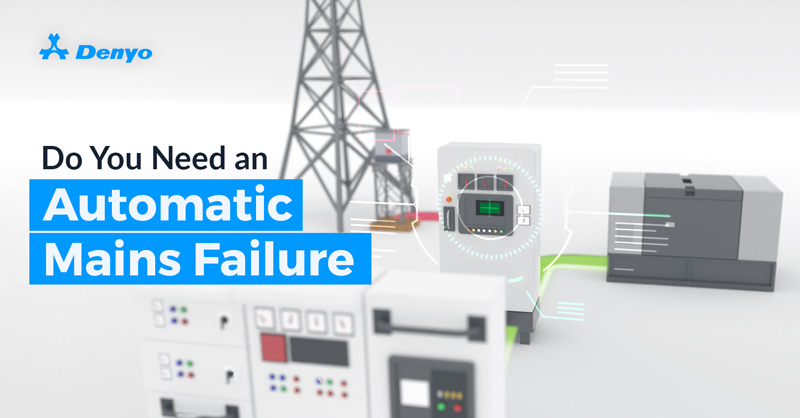
As you may be aware, the AMF is responsible for starting the standby generator in the event of a mains power failure, which can occur due to various reasons. Even countries praised for their reliable power networks are no exception to such an episode. It causes a deterrent to workplace functionality, especially at commercial sites, where even a second or two of a power cut can lead to a disastrous outcome. So if you are in a business that demands power continuity, then the answer is a definite YES – here is why you should have an Automatic Mains Failure (AMF) in your power system.
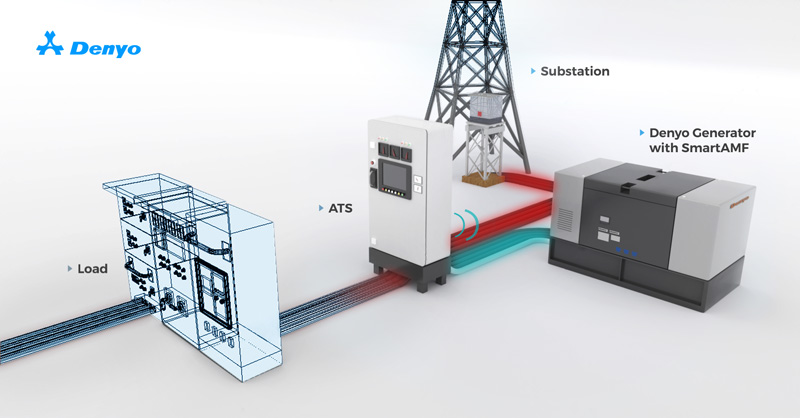
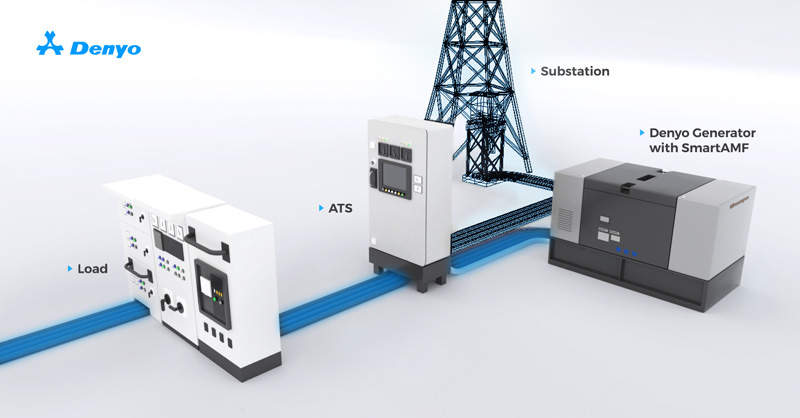
Automatic Mains Failure is essentially a system that, most of the time, was “lumped” together with the Automatic Transfer Switch (component) in an external panel. Upon mains power failure, AMF will automatically send a signal to the standby generator to start and support the load. When the mains power supply returns, the AMF will command a return to the mains power supply, and the standby generator will auto-reset to cooling mode, followed by a complete stop, providing a hassle-free process.
Building Your Brand Confidence
Establishing customer rapport with brand confidence has become more important today than ever before. Consumers commend brands that are committed to professionalism, but also hold companies accountable for unreliable services.
For instance, Healthcare, Oil & Gas, and Manufacturing are some of the few business sectors that need to ensure their business is ‘always on’, and the inability to cope with a power outage can have a negative effect on their company’s image. [Read – Denyo Success Stories: Alpha IVF Centre, Singapore]
Conclusion
In this article, we have identified the whys and wherefores of implementing Automatic Mains Failure into your power system. If you have any questions or upcoming projects that may require power continuity, do not hesitate to contact us for a non-obligatory discussion to address your concerns.